



Water Mitigation vs. Water Damage Restoration: What Homeowners in South Florida Should Know
When a leak or flood hits your home, you hear two terms right away: water mitigation and water damage restoration. They work together, but they are not the same. This guide explains how each stage protects your property, why speed matters in South Florida’s heat, and what to expect from Tri County Restoration, Inc.. If you need immediate help, learn how water damage restoration moves your Deerfield Beach, FL home from wet and worried to clean and dry.
What Water Mitigation Means in South Florida Homes
Water mitigation is the emergency phase. The goal is to stop the water, stabilize the site, and prevent more damage. Teams focus on water removal, water extraction, drying and dehumidification, plus safety checks. Fast action limits swelling, staining, and possible mold growth.
- Stop and stabilize: identify the source, protect contents, and set safe access.
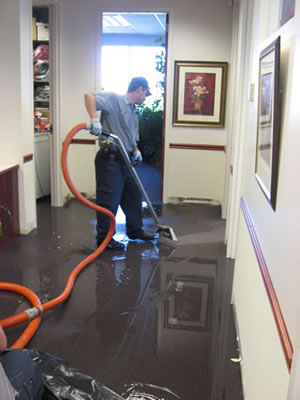
- Water removal and extraction: high-capacity pumps and weighted tools pull water from floors and carpeting.
- Drying and dehumidification: calculated equipment layouts draw moisture from the air and building materials.
- Monitoring: moisture meters and thermal imaging track progress until targets are met.
In Deerfield Beach, tropical humidity and warm temperatures can speed up secondary damage. That is why the mitigation plan sets clear drying goals and adjusts air movers and dehumidifiers daily. Done right, mitigation shortens the total project time and protects finishes you want to keep.
How Water Damage Restoration Brings Your Home Back
Restoration follows mitigation. Once the structure is dry and safe, the focus shifts to repair and recovery. That can include cleaning, deodorizing, and rebuilding damaged areas. If moisture affected walls or cabinets, restoration may involve selective removal and matching finishes so rooms look and feel like home again.
Restoration also covers specialized cleaning for furniture and textiles, odor removal, and sealing if areas were exposed to contaminated water. If testing or inspection suggests microbial growth, teams coordinate with professional mold removal or mold testing so repairs do not trap hidden problems behind new materials.
Mitigation vs. Restoration: Key Differences Homeowners Should Understand
- Purpose: mitigation prevents more damage, restoration repairs what is already damaged.
- Timing: mitigation starts right away, restoration begins after the structure is dry and stable.
- Tasks: mitigation is water removal, extraction, drying and dehumidification; restoration is cleaning, repairs, and finishes.
- Documentation: mitigation creates the baseline for insurance, restoration closes the loop with repair records and final readings.
Speed matters most during mitigation because every hour of high humidity and damp materials can raise the risk of odors and microbial growth. Restoration quality then protects your long-term comfort and indoor air.
Local Factors in Deerfield Beach, FL That Affect Timelines and Scope
Deerfield Beach sits between the ocean, the Intracoastal, and canal systems. Homes in areas like The Cove, Deer Creek, and neighborhoods west of I‑95 see different risks based on elevation and construction style. Slab-on-grade homes may dry faster in floors but need careful wall checks. Townhomes and condos require coordination with associations and, at times, shared plumbing or stacked-unit moisture readings.
Season also matters. Summer storms and king tides can push moisture into garages and low rooms. Air is already humid, so drying plans often need more dehumidification and strict temperature control. The right equipment layout, plus daily readings, keeps the timeline on track even when outdoor conditions are sticky.
What to Expect From a Professional Water Mitigation Plan
A strong plan starts with a safety and moisture assessment. Technicians map wet areas, set target readings, and choose the right mix of air movers and dehumidifiers. They also protect unaffected rooms to prevent moisture migration and dust transfer.
Expect clear updates. Teams record daily moisture readings, adjust equipment, and explain next steps. Antimicrobial applications may be used on affected surfaces if conditions warrant them. If building materials are heavily damaged, controlled removal creates clean edges for later repairs.
Do not assume surfaces are dry just because they feel dry. Materials like baseboards and drywall can hold hidden moisture that only shows up on a meter. Professional crews check behind finishes so you avoid future issues.
Insurance Basics and Documentation for Water Losses
Many homeowner policies address sudden and accidental water damage, but coverage varies by policy and cause. The best path is solid documentation from day one. Detailed photos, moisture logs, and itemized actions help your carrier see the scope and the urgency of the work.
Tri County Restoration, Inc. helps coordinate documentation and can provide the reports adjusters request. If you are starting a claim or want guidance on the process, review how restoration teams support insurance claims so you know what to expect.
File a claim promptly and keep records in one place. Timely reporting and clear notes can reduce delays and keep your project moving.
How Pros Manage Drying and Dehumidification in South Florida
Drying plans in Deerfield Beach account for high ambient humidity and the way moisture moves through materials. Calculations determine how many air movers are needed per linear foot of wall and how much dehumidification is required to hit target grains-per-pound. Doorway barriers and containment can help focus airflow where it matters most.
Monitoring is not a formality. It verifies the plan is working and protects areas that were not wet at first. If readings stall, pros may add focused heat or change equipment placement. Hidden moisture can damage finishes long after surfaces look fine, which is why meter readings and proper documentation are so important.
Timelines: How Long Mitigation and Restoration Usually Take
Timelines vary by size of the loss, building materials, and humidity. Smaller areas can dry in a few days once extraction is complete. Larger or multi-level losses take longer, especially if water traveled inside walls or under cabinets. Repairs begin after dry goals are met and materials are ready for finishing.
Permits may be required for structural repairs depending on scope, but not every restoration involves structural work. Your project manager will explain the sequence so you know when to expect inspections, material selections, and final walkthroughs.
Choosing the Right Partner for Water Damage Restoration in Deerfield Beach
Look for a team that responds quickly, communicates clearly, and follows industry standards. Training, proper equipment, and strong documentation protect both your home and your claim. Ask about moisture mapping, daily logs, and how they prevent cross-contamination between rooms.
If you are comparing options, start with a trusted local provider. You can learn more about water damage restoration in Deerfield Beach, FL and see how Tri County Restoration, Inc. serves homes across South Florida with clear plans and steady communication.
Safety matters. If there is any chance of electrical hazards or structural concerns, do not enter the affected area until a professional says it is safe.
Why Mitigation First, Then Restoration, Protects Your Investment
Mitigation buys time. It stops the spread, lowers humidity, and stabilizes the structure so finishes can be saved. Restoration then puts everything back together with cleaning, repairs, and careful detail work. Skipping or rushing the first phase makes the second phase slower and more expensive.
If testing or inspection reveals microbial growth, restoration includes collaboration with specialists so final repairs are built on a clean, dry foundation. That is how you protect indoor air quality and the value of your home over the long term.
Get Help Now in Deerfield Beach and Across South Florida
If water is impacting your home, fast mitigation is the first step. See how our team handles extraction, drying, and documentation with proven methods on our page for water damage restoration. For immediate support, call Tri County Restoration, Inc. at 888-906-0188 and a local coordinator will guide your next step.
More Tips on Water Damage Repairs