


How Long Does Water Damage Drying Take? A Realistic Timeline (and What Can Slow It Down)
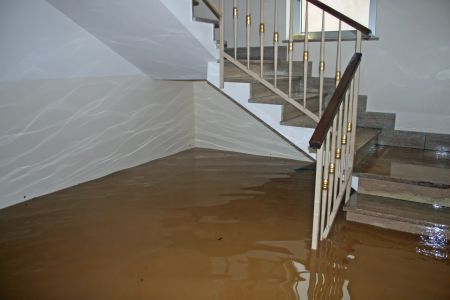
If you’re dealing with a leak or flood, you want straight answers about water damage drying time. In most Boca Raton homes, professional structural drying typically takes three to seven days, depending on how much water was involved, the materials that got wet, and the humidity inside and outside your home. If the damage is active right now, start with the proven process described on our water damage service page so your dry-out stays on schedule and your structure is protected.
What Affects Water Damage Drying Time in Boca Raton
Drying time is never one-size-fits-all. Our coastal climate, home construction styles, and the source of water each play a role.
- Indoor humidity and temperature: high humidity slows evaporation and lengthens the timeline
- Materials affected: carpet and drywall dry faster than hardwood, cabinets, and concrete
- Water volume and how long it sat: more water and longer exposure mean longer drying
- Access and airflow: tight cavities, toe-kicks, and double layers of flooring hold moisture
- Power availability and safe work conditions: outages or unsafe areas delay equipment setup
Homes on concrete slabs with tile and drywall behave differently than older wood-framed areas or built-ins. East Boca homes near the Intracoastal often battle higher ambient moisture, while West Boca communities with larger great rooms may need more equipment to move air across wide, open spaces.
A Realistic Day-By-Day Structural Drying Timeline
Day 1: Assessment, Extraction, and Setup
Certified technicians document the loss, remove standing water, and install air movers and dehumidifiers. Baseline moisture readings are taken from walls, floors, and structural assemblies. The goal is a strong early “push” that speeds evaporation and sets the pace for the rest of the project.
Days 2–3: Moisture Removal and Monitoring
Daily checks verify progress with moisture meters and thermal imaging. Equipment is adjusted for best results. Hidden moisture is the main reason timelines jump, so cavities behind baseboards, under cabinets, or inside wall assemblies get special attention.
Days 4–7: Stubborn Materials and Adjustments
Dense or layered materials take longer. Cabinets, hardwood, and concrete often need extended time or specialty techniques. If selective demolition is needed to expose wet layers, drying continues until readings return to normal pre-loss levels.
Note: Reconstruction, such as reinstalling drywall or flooring, is a separate phase and may add days or weeks after the structure is confirmed dry.
Typical Drying Ranges by Material
- drywall and baseboards: about 2–5 days, depending on saturation and airflow
- carpet and pad: about 1–3 days once extraction is complete
- engineered or solid hardwood: about 7–14 days, sometimes longer if cupping is present
- cabinets and built-ins: about 5–10 days, often with targeted ventilation
- concrete slab: about 5–10 days, depending on coatings and indoor humidity
These are averages. The actual pace depends on the size of the affected area, how the home is built, and whether secondary wet spots are discovered during monitoring.
Safety first: if outlets, appliances, or your breaker panel were exposed to water, do not touch switches or cords until a professional confirms it is safe. In many Boca Raton neighborhoods, short-term power interruptions can slow drying. Your trusted restoration contractor will adapt the plan once power is stable.
Why Humidity And Season Matter In South Florida
Summer through late fall brings sticky air and frequent storms in Boca Raton. High humidity slows drying because the air cannot “hold” as much moisture from wet materials. During extended rainy stretches or after tropical systems, the equipment mix and run times may increase to keep grain moisture levels moving in the right direction.
When “Dry” Is Truly Dry: How Pros Verify It
Relying on touch alone is risky. Pros confirm structural drying with:
• comparative moisture meter readings against known dry materials in your home
• thermal imaging to locate cooler, damp areas behind finishes
• daily logs of temperature, relative humidity, and material moisture content
This documentation protects the property and helps keep any insurance file organized.
Delays That Can Stretch The Timeline
Most slowdowns are avoidable once the team is on site and the plan is clear. Common culprits include:
• limited access to wet cavities like toe-kicks or double-layer flooring that must be opened
• unsafe areas due to electrical concerns or structural instability
• late discovery of hidden moisture behind tile, in insulation, or inside wall chases
• waiting on approvals when demolition is required for stubborn wet materials
• contaminated water sources that require additional containment and sanitation
If your project involves paperwork or scope approvals, our page on insurance claims help explains how clear documentation can reduce back-and-forth and keep work moving.
Mold Risk If Drying Drags
In Boca Raton’s climate, elevated moisture can let mold take hold quickly. Fast mitigation and steady, measured drying reduce that risk. If growth is suspected during monitoring, coordinated remediation keeps the site safe and the project compliant. Learn how this is handled on our page for mold removal.
Local Context: What We See Across Boca Raton Homes
Water events in waterfront areas like East Boca and neighborhoods near Mizner Park often involve prolonged humidity, which can extend drying for cabinets and wood floors. West Boca homes with larger great rooms usually need higher equipment counts to keep air moving across long walls and open floor plans. Townhomes and condos in Boca Pointe or Boca West may add coordination steps for access and approvals, which can influence the pace.
Who You Choose Matters
{{ company-name }} uses industry-standard monitoring, communicates daily, and adjusts equipment density to hit target moisture levels without over-drying finishes. For a clear overview of process and expectations, see our dedicated page for water damage in Boca Raton, FL. If you want background before calling, you can also review water damage drying time resources on our home base and then reach out when ready.
What Speeds Things Up (Without Cutting Corners)
• rapid extraction and equipment setup to create strong early evaporation
• opening up inaccessible wet areas once confirmed by moisture readings
• consistent power and secure containment so equipment runs without interruption
• daily adjustments based on instrument data, not guesswork
Remember, a quick start sets the tone. Every hour matters once materials are saturated.
Start Your Dry-Out Today
You do not have to navigate this alone. Call Tri County Restoration, Inc at 888-906-0188 and we will coordinate assessment, documentation, and the full structural dry-out plan. To see how we approach mitigation from the first hour through final readings, review our page on water damage service and then schedule your visit today.
More Tips on Water Damage Repairs