




Roof Leak vs Flood: How Boca Raton Homeowners Should Handle Water Damage Fast
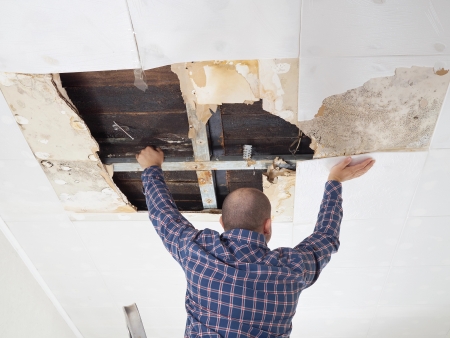 When water shows up where it should not, every minute counts. In Boca Raton, summer storms, king tides, and aging roofs can all lead to soaked ceilings and buckled floors. If you are unsure whether you are dealing with a roof leak or a flood, this guide explains the difference and shows why fast water damage restoration in Boca Raton protects your home, health, and resale value.
Homeowners from East Boca near the Intracoastal to communities west of 441 face different risks, but the playbook for fast action is the same: identify the source, stay safe, and bring in a certified team quickly. To learn more about local response and why timing matters, visit our homepage for water damage restoration in Boca Raton and see how Tri County Restoration, Inc. prioritizes speed and clear communication.
Know The Difference: Roof Leak vs Flood In Boca Raton
A roof leak usually starts at the top and works its way down. Flooding usually starts at ground level and pushes water into the home from outside or from a burst supply line. Telling these apart helps the restoration crew choose the right drying plan and contamination controls.
- Roof leak clues: circular stains on ceilings, damp attic insulation, wet walls beneath skylights or vents, slow drip after storms, and damage near chimneys or flashing.
- Flood clues: wet baseboards, pooled water on floors, silt lines or debris inside, multiple rooms affected at the same height, musty odors within hours, and contaminated water after heavy rain or sewer issues.
If water came in from above during a brief downpour and you notice staining near light fixtures, a roof leak is likely. If your living room, hallway, and kitchen flooring are wet to the same line after an all‑day deluge, that is classic flood behavior, common near low‑lying streets and lakes west of I‑95.
Why Fast Water Damage Restoration Protects Your Home Value
Moisture does not wait. Within 24 to 48 hours, wet drywall and wood can become a food source for mold. That can spread behind baseboards and into cavities you cannot see. Act within 24–48 hours to reduce the risk of mold and costly tear‑outs later. Quick action also helps protect flooring, cabinets, and the subfloor beneath tile that is common in Boca Raton homes.
Timely mitigation keeps detailed moisture readings, photos, and notes that support your insurance claim. It also shortens the time your family is displaced, which matters if you live in a condo tower near Mizner Park or a gated community like Boca Falls where repairs must follow HOA guidelines.
What A Certified Crew Does In The First 24–48 Hours
Professional teams use meters, containment, and industry‑standard drying plans tailored to the source of loss. Here is what a trained crew typically completes right away:
- Source control and safety check, including electrical and structural hazards
- Water extraction with high‑capacity pumps or truck‑mounted vacuums
- Moisture mapping of walls, ceilings, and flooring to set drying goals
- Targeted removal of saturated, non‑savable materials to prevent spread
- Cleanliness level matched to water category with professional disinfectants
- Balanced air movement and dehumidification to stabilize building materials
- Daily monitoring until dry‑standard is reached
Every step is documented with readings and images so you have a clear record from day one.
Boca Raton Factors That Change The Plan
Local construction matters. Many Boca Raton homes have concrete block walls with stucco, tile roofs, and decorative flashing. Tile and flat roofs can channel water under the membrane, so damage may travel sideways before it appears on the ceiling. High humidity, especially in late summer, slows evaporation. Near the Intracoastal and coastal neighborhoods, wind‑driven rain often forces water beneath roof tiles or under sliding doors. West Boca communities around lakes see storm runoff push water against patios and thresholds.
What To Tell Your Insurance And What To Document
Notify your carrier as soon as a licensed restoration contractor is on site so field photos and meter readings start immediately. Share when you first noticed water, recent weather, and any repairs you had in the last year, like roof patching or window replacements. Take wide shots and close‑ups that show the water line, ceiling stains, and affected rooms. Keep details of emergency services, equipment logs, and any temporary board‑ups or tarps. Do not throw out damaged materials until your adjuster clears them, unless a safety hazard requires removal by the crew.
When It’s A Roof Leak: Common Sources And Fix Path
Roof leaks often trace back to worn flashing, cracked tiles, clogged gutters, or failed sealants around vents and skylights. In Boca Raton, sun exposure and salt air can harden sealants faster than in inland climates, and wind‑driven rain can lift tiles just enough for water to find a path. A restoration team will stabilize interiors first, then coordinate with your roofer. Expect targeted ceiling removal if insulation is saturated, controlled drying of attic framing, and deodorization if moisture lingered. Do not enter the attic if you suspect wet insulation around electrical fixtures. Let professionals inspect and make it safe.
When It’s A Flood: Category And Contamination Considerations
Floodwater can carry soil, bacteria, and other contaminants from outside. That changes the cleaning standard. Porous materials that were underwater may need removal so the structure can be sanitized and dried to a safe level. Flooring like laminate often swells and traps moisture underneath. Cabinets with particleboard backs can wick water and fail later if not addressed. Do not attempt to clean contaminated water on your own because the risk of exposure is high without proper PPE and procedures. A certified crew will isolate work zones, use negative air when needed, and apply hospital‑grade disinfectants approved for the surface type.
Condos, Townhomes, And Single‑Family Homes: Different Challenges
In high‑rise condos downtown, water can travel between units through chases and under door thresholds. Coordinating with property management is critical so drying equipment can run and access is granted for monitoring. In townhomes around Camino Gardens or Boca Pointe, shared walls may hide moisture, so crews use thermal cameras to verify conditions. Single‑family homes near canals or golf courses sometimes take on water through sliders or garages; thresholds and baseplates need careful inspection to prevent future odor or microbial growth.
Materials And Finishes Common In Boca Raton Homes
Marble and porcelain tile hold up well but can mask trapped moisture in grout lines or underlayment. Engineered wood and luxury vinyl plank can delaminate or cup when water sits underneath. Painted drywall may look fine after a quick wipe, but moisture readings often show hidden damp spots. Granular stucco can stain and blister if the wall cavity stays wet. Proper drying uses targeted airflow on surfaces and dehumidification to pull moisture out without over‑drying trim or cabinetry.
Weather Timing: What To Expect During The Wet Season
From June through November, afternoon storms can hit fast and hard. If a roof leak shows up during a streak of rainy days, crews may stabilize interiors and work alongside your roofer once the roof is safe to access. After coastal squalls, water can push under sliders on east‑facing walls; containment and quick extraction limit damage to adjacent rooms. In late fall, king tides raise groundwater and can slow drying in low‑lying areas. Your project manager will adjust equipment and check readings daily until dry standards are met.
How To Choose The Right Restoration Contractor
Look for a team with certified technicians, documented drying plans, clear daily updates, and experience working with Florida insurers. Ask about moisture mapping, antimicrobial protocols, and how they protect clean areas of your home during work. You want a company that treats your living room like their own, keeps pathways protected, and communicates any changes before they happen. A local team that knows Boca Raton construction styles and weather patterns will spot issues faster and help prevent repeat problems.
Your Next Step: Local Help That Moves Fast
If you suspect a roof leak, notice a water line on your walls, or find flooring that feels soft or spongy, do not wait. Call Tri County Restoration, Inc. at 888-906-0188 so a certified crew can assess, extract, and stabilize your home. For details on our process and quick scheduling, start here with flood damage cleanup in Boca Raton.
More Tips on Water Damage Repairs